

An unbeatable combination of gin, sugar, citrus and bitters, the Fitzgerald Cocktail harkens back to boisterous and rebellious times.
No American kid’s tenure in high school would be complete without having read F. Scott Fitzgerald’s Jazz-Age masterpiece, The Great Gatsby. Set amongst the mansions of 1920s Long Island, the book dripped with decadence, wealth and parties that flowed with then-illicit cocktails, like the Gin Rickey. Released during Prohibition, Fitzgerald’s book caused a sensation. The novel, along with the silent film Flaming Youth, starring flapper icon Colleen Moore, influenced fashion and society. The author once remarked, “I was the spark that lit up Flaming Youth, Colleen Moore was the torch. What little things we are to have caused all that trouble.”
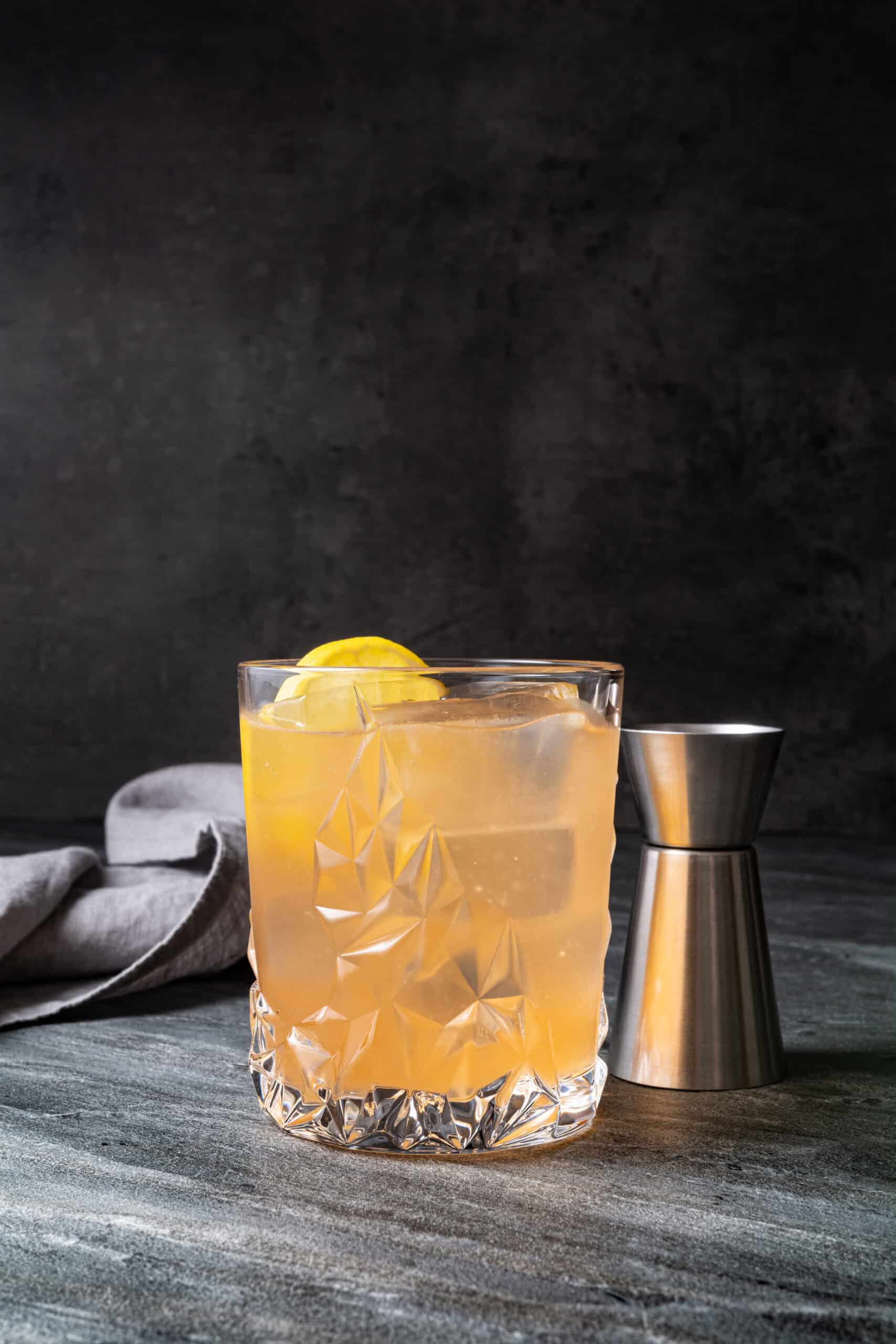
Tonight’s cocktail takes its name directly from the author of The Great Gatsby, the Fitzgerald. A tart and potent mixture of gin, lemon juice, simple syrup and a dash or two of bitters, this cocktail offers your taste buds a tangy and familiar experience. A close relative of the Gin Sour, the dashes of bitters make each sip more full-bodied and robust. Like with any drink, sometimes all it takes is a new ingredient to drop in and give us an entirely new and different recipe.
Created in the 1990s in New York City, the Fitzgerald first began its life as the “Gin Thing”. Soon after being introduced to the crowds at the infamous Rainbow Room by its inventor, bartender Dale DeGroff, the cocktail began to take off. One particular patron noticed its build was similar to the classic rum-based Daiquiri drink, and a cousin to the Gin Sour. Being a well-read drinker with an abundance of literary knowledge at their fingertips, they suggested that DeGroff rename the concoction. Taking a cue from Hemingway’s love of Daiquiris and F. Scott Fitzgerald’s penchant for gin drinks, the Gin Thing was rechristened the Fitzgerald.
So in tribute to the spirit of the Roaring Twenties, and the scribe who captured it all on the written page, shake up a few Fitzgeralds tonight with that special someone. And maybe a tail feather or two.
What Is The Best Gin To Use In A Fitzgerald Cocktail?
I like to keep my gin-based Sours simple by using a strong and crisp London Dry. Bombay Sapphire is juniper-forward and has a botanical, spicy kick to it. Tanqueray is more balanced with a drier finish. Lately, I’ve been enjoying Aviation Gin, which is an American-made spirit, and has a profile that favors a London Dry. California distilled brands are also excellent, with some made from seaside botanicals and others finishing with an orange-tinged heat.
Ingredients
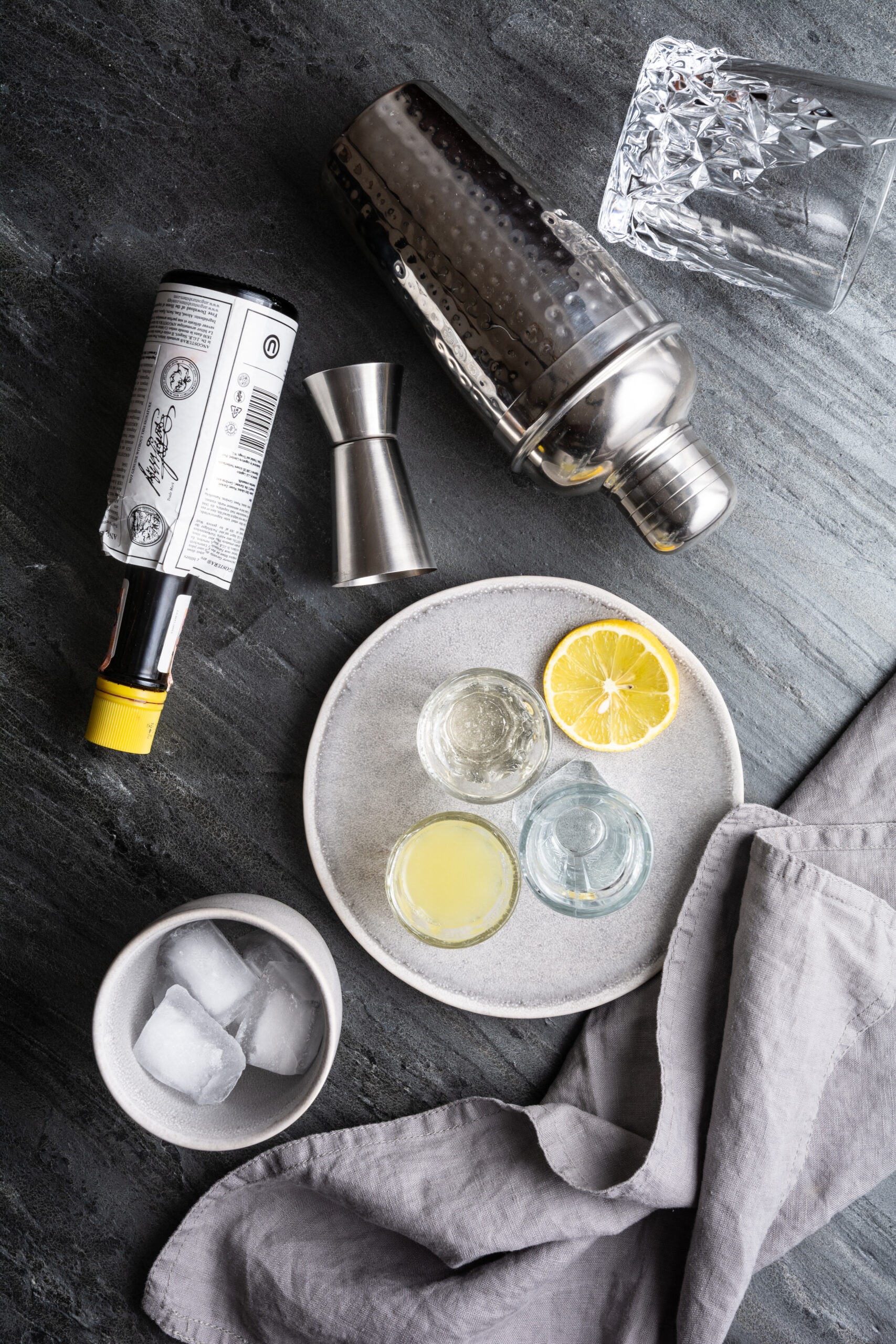
- 1 1/2 ounces gin
- 3/4 ounce fresh lemon juice
- 3/4 ounce simple syrup
- 2 dashes Angostura bitters
- Lemon wheel or twist optional, for garnish
Instructions
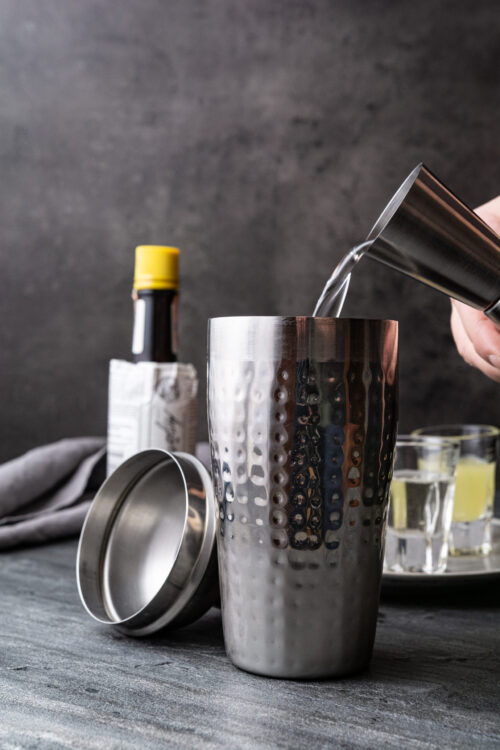
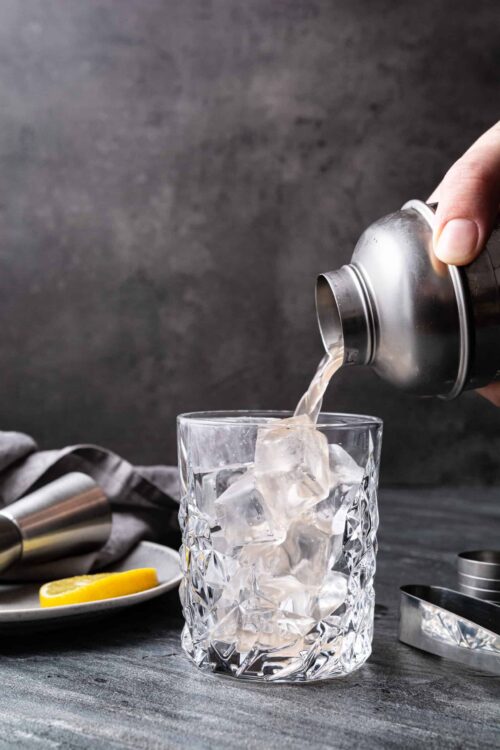
- Add gin, fresh lemon juice, simple syrup, and Angostura bitters into a shaker filled with ice.
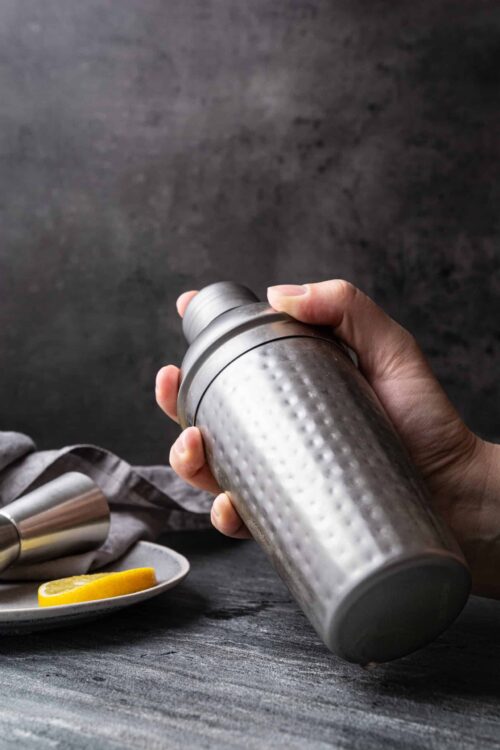
- Shake vigorously for about 10 seconds until well chilled.
- Strain into a rocks glass over fresh ice and garnish with a lemon wheel or twist, if desired.
Nutrition
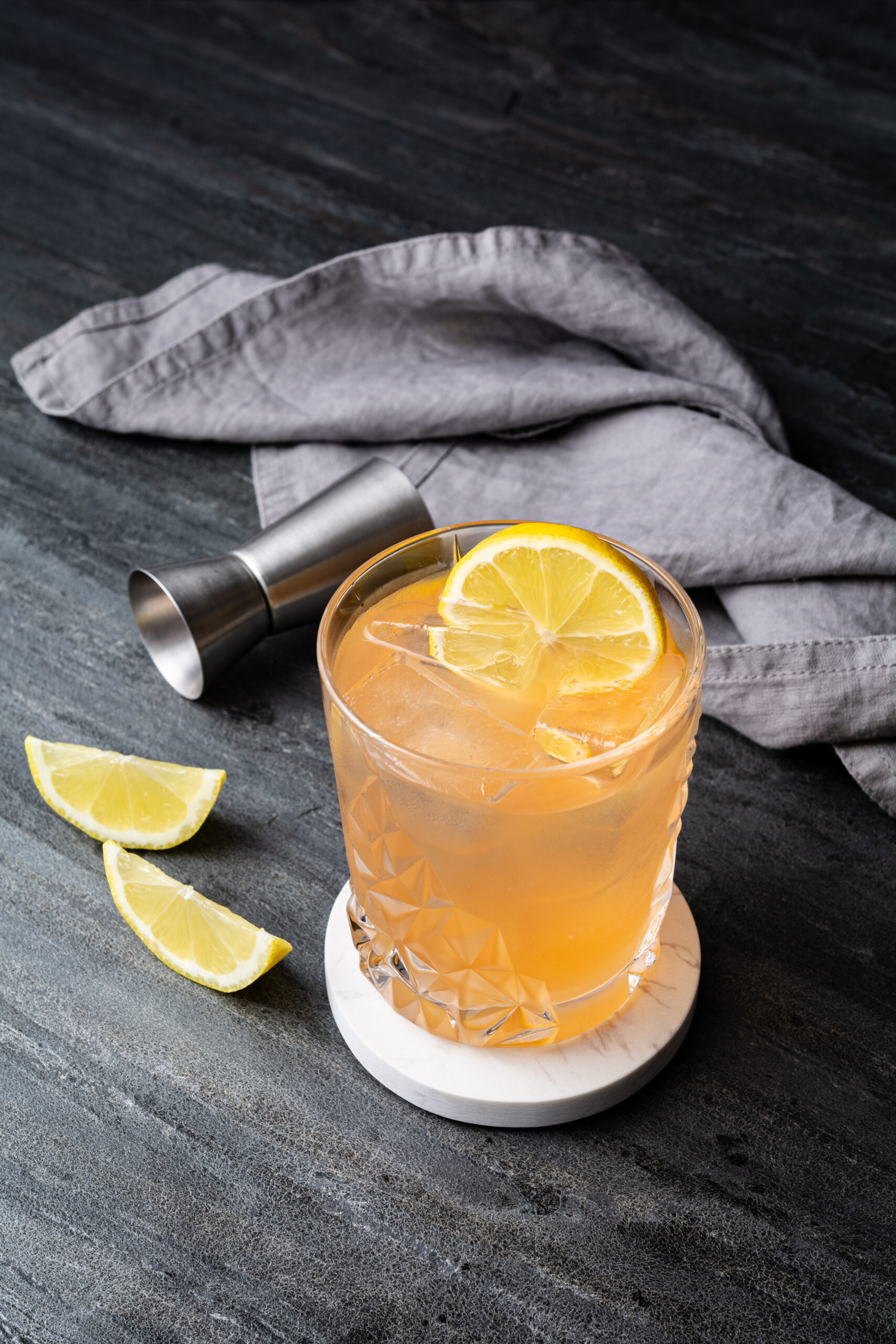
WHAT GLASSWARE AND GARNISH IS USED?
A rocks glass, filled to the rim with fresh ice and garnished with a lemon wheel, will complete whatever ensemble you may be wearing this evening.
CAN YOU ADD EGG WHITE TO THIS RECIPE?
This is tricky. Technically, that would make a Gin Sour, but, the Fitzgerald features the bitters in the mixture itself, while the Sour calls for a few dashes on top of the egg white… Try for yourself and see the difference.
Similar Cocktails To The Fitzgerald
It’s time to dust off those Django Reinhardt records, crank up the Victrola and chill a few Nick & Nora glasses, because your Roaring Twenties party is about to swing into gear. But wait, you can’t just serve the Fitzgerald… technically that’s a more contemporary drink. So let’s make sure that your festivities provide a few period pieces for the sake of authenticity.
- Mint Julep – Fresh and tart, this tipple was featured in the novel The Great Gatsby.
- Singapore Sling – This potent cocktail proved to be very popular in the 1920s.
- Whiskey Highball – A simple combo of spirit and soda, also mentioned in Fitzgerald’s book.
- Southside – Said to be Al Capone’s favorite poison during his heyday in Chicago.


Leave a Comment